Soil Health & Fertilizer Basics for Vegetables
Checklist for Vegetable Farmers
1. Soil Preparation Checklist
Test Your Soil
- Check pH level (Ideal: 6.0 – 7.0 for most vegetables)
- Test nutrient levels (N-P-K: Nitrogen, Phosphorus, Potassium)
- Identify soil type (sandy, loamy, clay)
Improve Soil Structure
- Add organic matter (compost, manure, leaf mold)
- Mix in crop residues to boost soil life
- Use mulch to prevent erosion and retain moisture
- Avoid over-tilling to protect soil microbes
2. Compost & Organic Matter Checklist
Material
Benefits
Compost
Improves structure & nutrients
Cow/Bio Manure
Increases fertility
Vermicompost
Boosts microbial activity
Green Manure
Adds nitrogen naturally
Remember:
- Apply compost before planting
- Use well-decomposed manure only
- Never apply fresh manure near harvest time
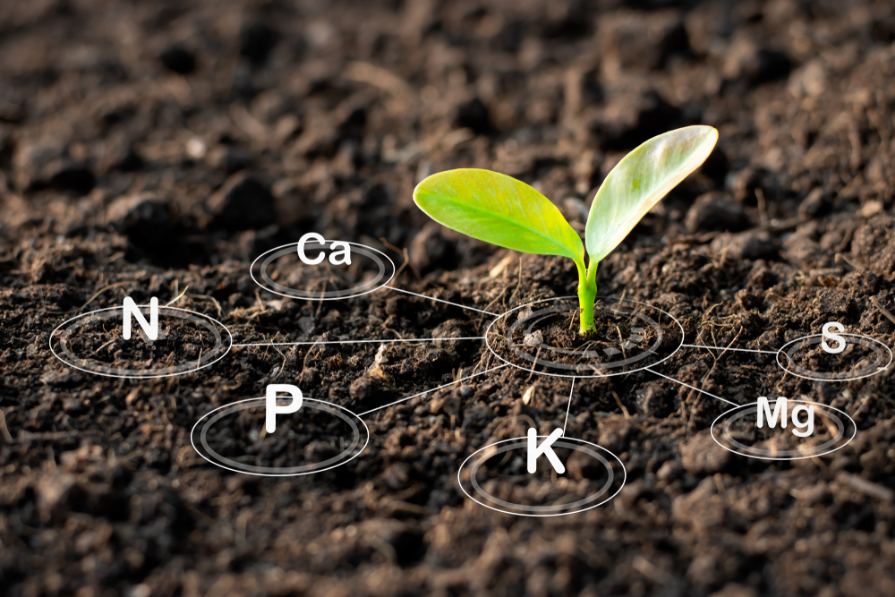
3. Essential Nutrients for Vegetables
Nutrient
Why It Matters
Signs of Deficiency
Nitrogen (N)
Leaf growth
Yellow leaves
Phosphorus (P)
Root & fruit growth
Poor flowering
Potassium (K)
Disease resistance & overall health
Brown edges on leaves
Calcium
Strong stems & fruits
Blossom-end rot
Magnesium
Photosynthesis
Pale yellow between leaf veins
4. Vegetable-Friendly Fertilizer Guide
Organic Options
- Compost
- Cow/Bio Manure
- Bone meal (Phosphorus)
- Wood ash (Potassium)
- Fish emulsion (Nitrogen)
5. Application Timing Checklist
Before Planting:
-Mix compost/manure into soil
-Add phosphorus-rich fertilizers (bone meal or DAP)
-Prepare raised beds for drainage
During Growth Stage:
- Apply nitrogen (urea, fish emulsion) for leafy growth
- Mulch to retain moisture and reduce weeds
- Do foliar feeding (spraying liquid fertilizers) if needed
Flowering & Fruit Stage:
- Reduce nitrogen
- Increase potassium and phosphorus
- Watch for nutrient deficiency signs
6. Avoid These Common Mistakes
- Using too much chemical fertilizer
- Applying fresh manure close to planting
- Skipping soil testing
- Planting in waterlogged or hard soil
- Ignoring pests and diseases during nutrient stress
BONUS: Soil Health Tips
- Use crop rotation (never grow the same vegetable in the same place repeatedly)
- Grow nitrogen-fixing crops (beans, peas, lentils)
- Add earthworms or use vermicompost
- Use drip irrigation to avoid nutrient washout